The Americas span a vast expanse of land with diverse ecosystems, ranging from the dense Amazon rainforest to the vast North American prairies, from moist marshes and wetlands to arid desert regions. These varied environments have nurtured a wide array of bird species and shaped their diverse feeding habits. The prey of these birds encompasses a wide range of organisms, from tiny invertebrates to small vertebrates. Below is a detailed introduction to some of the common prey of birds in the Americas.
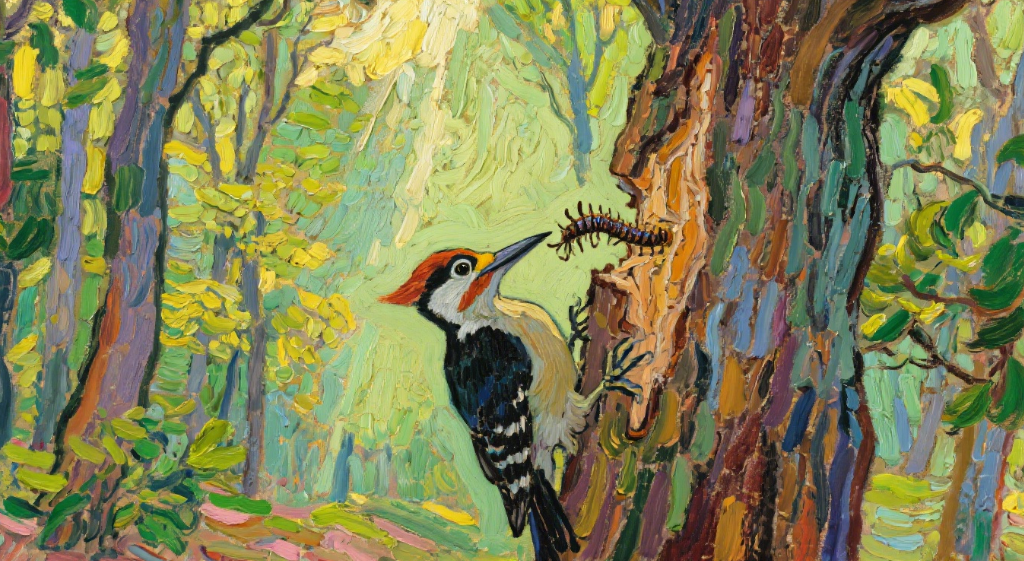
(1) In forest ecosystems, woodpeckers are one of the most common bird species. They possess hard, sharp beaks that can easily peel off tree bark, primarily preying on insects and their larvae hidden within tree trunks, such as longhorn beetle larvae and bark beetle larvae. These pests feed on the woody tissue and bark of trees, severely impacting tree health. Woodpeckers' predatory behavior helps control pest populations and maintain forest ecological balance. Additionally, some small songbirds, such as warblers, dart through the branches and leaves to catch various small insects, including aphids, beetles, and moth larvae. Their agile bodies and keen vision allow them to swiftly locate and capture these swift-moving creatures.
(2) Owls are nocturnal raptors found in forests, grasslands, and other habitats across the Americas. With their exceptional night vision and silent flight, owls are master hunters at night. Their primary prey includes rodents such as field mice and house mice. A single owl can consume thousands of field mice in a single summer, playing a crucial role in controlling rodent populations and protecting crops. In addition to rodents, they also prey on small birds, frogs, and lizards. Under the cover of darkness, owls can precisely locate their prey and swiftly strike, using their sharp claws to grasp their prey.
(3) In wetland and aquatic environments, herons are typical predators. Herons such as the white heron and the gray heron have long legs and sharp beaks. They often stand in shallow water or move slowly, patiently waiting for prey to appear. Fish are one of the primary food sources for herons. Whether it's smaller fish like minnows or mosquitofish, or slightly larger ones like carp or young bass, they all feature on the heron's menu. Herons rely on their swift and accurate strikes, using their beaks to swiftly pierce fish in the water and capture them. Additionally, frogs, tadpoles, shrimp, crabs, and aquatic insects such as dragonfly larvae and damselfly larvae found in wetlands are also favored foods of herons.
(4) Eagles are the dominant predators of the American sky, with large raptors like bald eagles and golden eagles possessing powerful flight capabilities and sharp vision. Bald eagles primarily inhabit coastal areas and riverbanks, with fish being their primary food source, especially salmon and trout. They often circle high in the sky, and upon spotting a school of fish in the water, they dive swiftly downward, grasping the fish with their talons before soaring back into the air. In addition to fish, bald eagles also prey on waterfowl and small mammals such as rabbits and squirrels. Golden eagles are more commonly found in mountainous forests and grassland regions. Their hunting range is broader, as they not only prey on small mammals like rabbits and fox cubs but also attack the young of larger prey such as goats and deer. They use their powerful strength and sharp beaks and talons to subdue their prey.
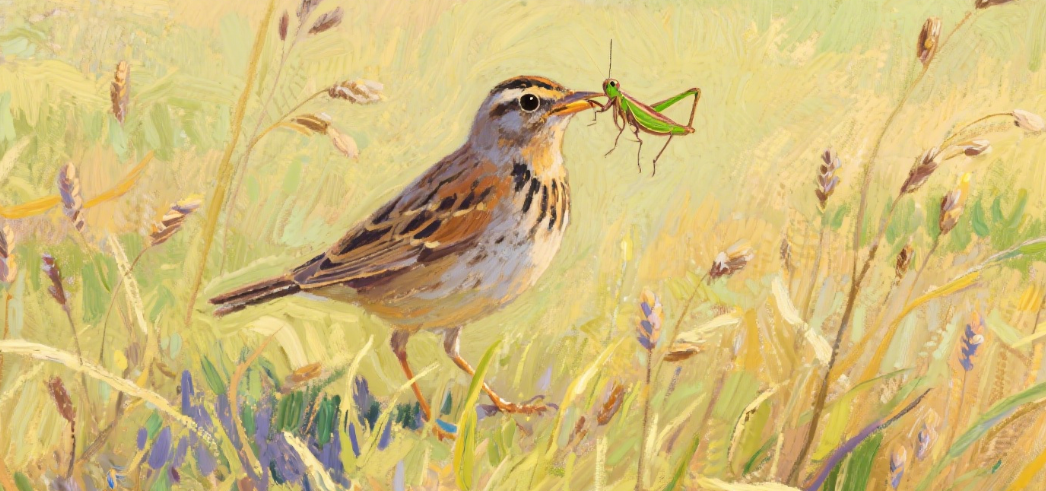
(5) In grasslands and open areas, birds such as larks and skylarks primarily feed on plant-based foods like grass seeds and grains. However, during the breeding season, to provide sufficient protein for their chicks, they also consume large quantities of insects such as locusts, grasshoppers, and beetles. These insects reproduce in large numbers on the grasslands, and if left unchecked, they could damage the grassland vegetation. The birds' predatory behavior helps maintain the stability of the grassland ecosystem to some extent.
The prey of American birds is diverse and abundant. Their predatory behavior not only meets their own survival needs but also plays a crucial role in the material cycling and energy flow within ecosystems, helping to maintain ecological balance and stability.
The above provides an overview of the common prey species of American birds. If you are interested in specific bird species or prey species, or wish to learn more details, feel free to reach out to me at any time.