In the gardens of the Americas, birds have formed a close interactive relationship with their natural environment, especially during rain, when their lifestyle demonstrates remarkable survival wisdom. These behaviors are not only the result of species adapting to their environment but also offer humans numerous thought-provoking insights.
When it rains, birds in American gardens prioritize seeking shelter from the rain. Many small birds, such as the North American redbird, quickly seek out dense shrubs or branches with thick foliage in the garden as temporary shelters. They curl their bodies and cover exposed skin with feathers to minimize heat loss and water penetration. Larger birds like the blue jay may choose relatively open but sheltered areas like under eaves or sheds, where they can avoid the rain while still observing changes in their surroundings.
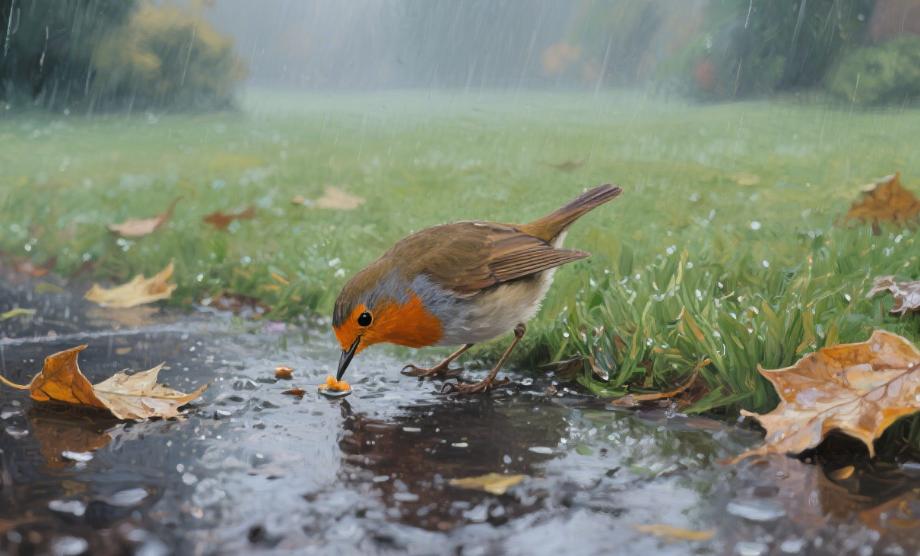
While seeking shelter from the rain, some birds also take advantage of the opportunity to forage. During light rain, robins continue to search for earthworms and other food on the lawn, as the rain softens the soil, making it easier for earthworms to emerge from the ground. They quickly peck at the ground with their beaks, swiftly snatching up any food they find, then returning to a relatively safe location. Hummingbirds, on the other hand, take advantage of lulls in the rain to dart through flower beds in gardens, sipping nectar, as flowers often contain richer nutrients after rain.
Additionally, some birds collaborate in groups to cope with rainy weather. For example, starlings often gather in flocks. During rain, they congregate on the same large tree, huddling close together to use the group's body heat to withstand the cold. Meanwhile, individuals within the group take turns on lookout duty, monitoring for predators to enhance the group's overall survival chances.
From the rain-day behaviors of American backyard birds, humans can gain insights in multiple areas.
First, we should learn to adapt flexibly to environmental changes. Birds adjust their behaviors based on the intensity of the rain and their own needs, either seeking shelter or foraging. This adaptability reminds humans that when facing life's “storms,” we should remain flexible, avoid rigid patterns, and make reasonable choices based on actual circumstances.
Second, we should be good at utilizing the resources around us. Birds can fully utilize plants and buildings in the yard as places to shelter from the rain and forage for food. This inspires humans to be good at discovering and utilizing the resources around them, whether material resources or human resources, to solve problems through reasonable utilization and improve the efficiency and quality of life.
Furthermore, the importance of teamwork cannot be overlooked. Starlings collaborate as a group to withstand the cold and defend against predators, which teaches humans that when facing difficulties, unity and collaboration can pool strength and enhance the ability to tackle challenges. In work and life, collaborating with others often achieves twice the result with half the effort, enabling the realization of common goals.
Finally, one must seek opportunities in adversity. Robins and hummingbirds can still find food in the rain, which inspires humans not to give up easily even in unfavorable environments. Instead, one should maintain keen insight, be adept at discovering opportunities hidden in adversity, and seize them through effort to achieve personal development.
The wisdom of American garden birds in rainy weather is a precious gift from nature. By observing and learning from this wisdom, humans can better navigate life's challenges and lead more composed and efficient lives. 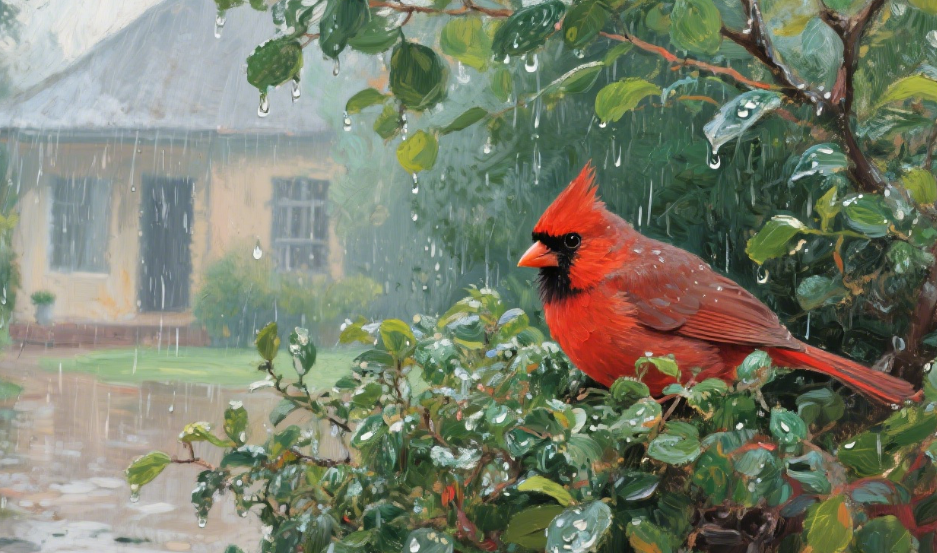
An explanation of the lifestyle of birds in the American courtyard during rainy weather, and what insights humans can gain from it.
Aug 1, 2025 Bird knowledge presenters