The following are some bird species commonly found in American gardens that are relatively docile and suitable for human observation using bird feeders:
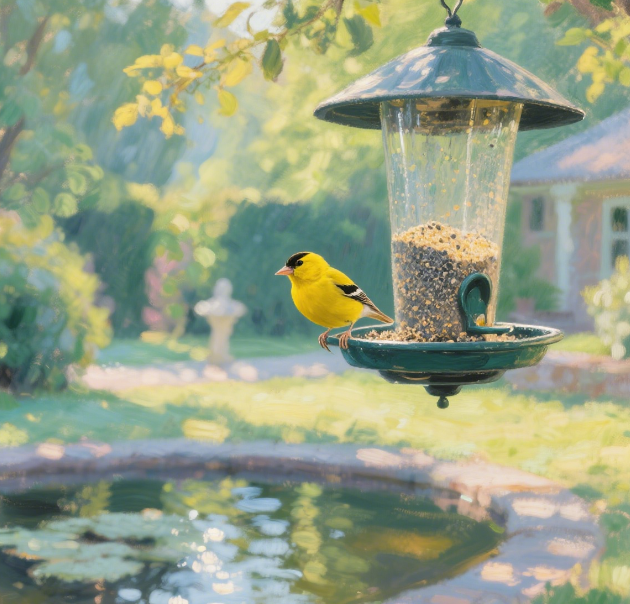
American Goldfinch: Small in size, primarily seed-eating, though they occasionally consume insects. During winter, they often visit bird feeders set up by humans to forage for food. American Goldfinches have a relatively docile temperament and are not highly wary of humans. Once they become accustomed to human presence, they allow humans to observe them at relatively close distances.
Black-capped Chickadee: Active, playful, and docile in nature, with a strong curiosity, they frequently leap and dart between branches in search of food. They are not particularly afraid of humans. When humans place bird feeders in their yards, black-capped chickadees quickly discover them and come to feed. Their “chick-a-dee-dee-dee” call is also very pleasant, providing an enjoyable viewing experience.
Carolina Wren: A songbird native to eastern North America and Central America, commonly found in forests across the eastern United States and Central America, as well as in suburban areas and parks. This small bird has a rust-brown upper body and a cinnamon-colored underbody, with a distinctive white eyebrow stripe. They primarily feed on insects, occasionally consuming small vertebrates and plants. During winter, they visit feeding stations and are not overly sensitive to human proximity, making them suitable for observation via bird feeders.
American Crested Tit: A small songbird native to North America, known for its gentle and active nature. They frequently fly around in trees, hanging upside down from branches to search for insects, and also collect food from the ground and branches, consuming various berries, nuts, seeds, and small fruits. American Goldfinches exhibit a certain curiosity toward humans and sometimes perch on windowsills. When humans use bird feeders, they typically approach boldly to feed.
American Robin: One of the most common and widely distributed small songbirds in North America, it frequently enters human-inhabited areas such as lawns, gardens, and golf courses. The American Robin has a relatively docile temperament and feeds on worms, insects, and fruits. When humans place bird feeders in their yards and provide suitable food, American Robins frequently come to forage, and humans can quietly observe them from a distance.
Northern Cardinal: Male birds have a vibrant red plumage, while females are reddish-brown, both featuring distinctive crests, making them exceptionally beautiful. They primarily feed on seeds, fruits, and insects, frequently visiting bird feeders set up by humans. They are well-adapted to human presence and allow people to observe them from a suitable distance while feeding.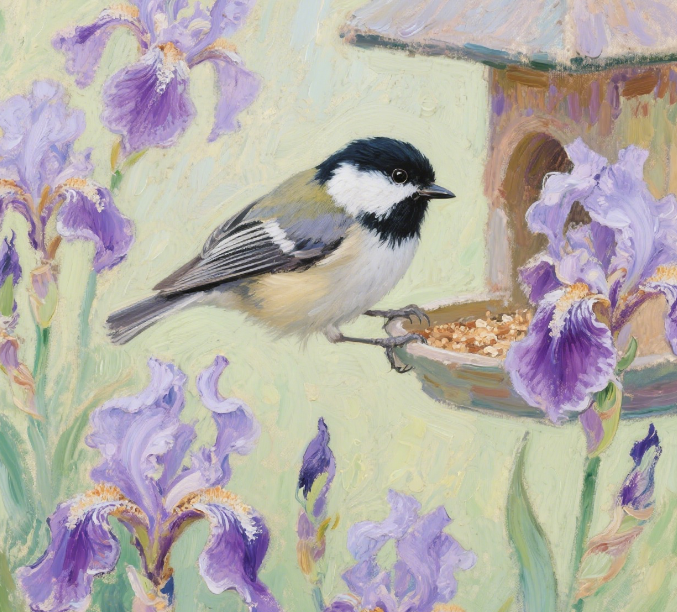
Among the many bird species found in the Americas, here is an introduction to those with a more docile temperament that are suitable for humans to approach and observe feeding using bird feeders.
Jul 31, 2025 Bird knowledge presenters