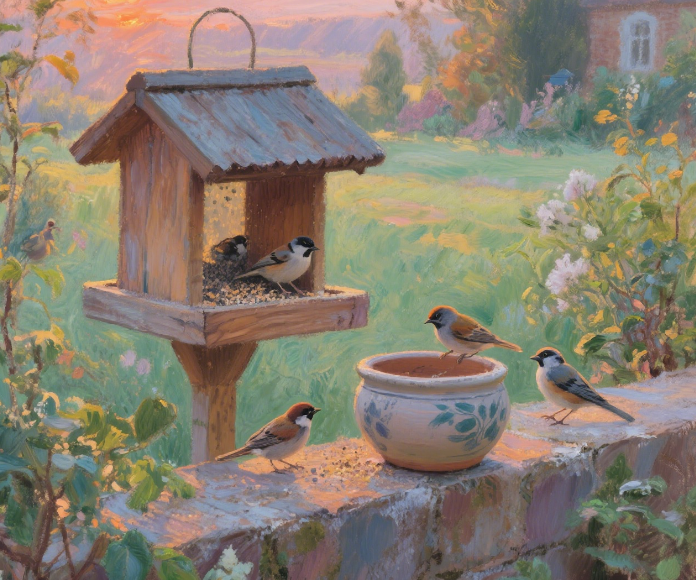
When it comes to feeding birds, bird feeders and ordinary bird bowls each have their own advantages and disadvantages, so it is important to choose based on the actual situation and needs.
From the perspective of food protection, bird feeders have a clear advantage. They typically feature a closed or semi-closed design, effectively blocking wind and rain to prevent food from getting wet and moldy. For example, seeds are prone to clumping and spoiling when exposed to moisture, but bird feeders can significantly extend their shelf life. Additionally, this design reduces the risk of “uninvited guests” like squirrels and mice stealing food, allowing birds to access food more reliably. In contrast, ordinary bird feeders are often open-style, leaving food exposed to the elements. During rainy weather, food can easily get wet, not only affecting birds' ability to eat but also accelerating food spoilage. Moreover, they are less resistant to interference from other animals, resulting in higher food wastage rates.
In terms of cleaning and maintenance, ordinary bird feeders are relatively more convenient. Their structure is simple, typically consisting of a shallow tray, which can be easily wiped or rinsed during cleaning, saving time and effort. However, bird feeders often have more complex structures with various compartments and holes, where food residues and bird droppings can accumulate in crevices. Cleaning requires more thorough scrubbing; otherwise, bacteria may proliferate, affecting bird health. However, some well-designed bird feeders feature removable structures, which to some extent alleviate the cleaning challenges.
In terms of bird adaptability, ordinary bird feeders are more easily accepted. Most birds are more familiar with open containers, especially timid birds, which are more likely to approach and feed from a bird feeder. The unique structure of bird feeders may cause some birds to feel fearful, requiring time to adapt, especially larger birds or those with unusual beak shapes, which may encounter difficulties when using bird feeders.
In terms of functional diversity, bird feeders have a clear advantage. They come in various types, such as those specifically designed for seeds, nectar, or suet, catering to the dietary needs of different bird species. For example, hummingbirds prefer to feed on nectar, and specialized nectar feeders are well-suited for them. Additionally, some bird feeders come with hanging mechanisms, allowing them to be placed in various locations such as trees or under eaves, enhancing flexibility and avoiding ground-based parasite infestations. Ordinary bird bowls have more limited functionality, primarily suited for holding larger particles or chunkier foods, and typically can only be placed on the ground or platforms, with more restricted placement options.
Overall, if you aim to feed birds consistently over the long term, especially in areas with many scavenging animals or unpredictable weather, bird feeders are the better choice; if you only feed birds occasionally and prioritize simplicity and convenience, ordinary bird bowls are more suitable.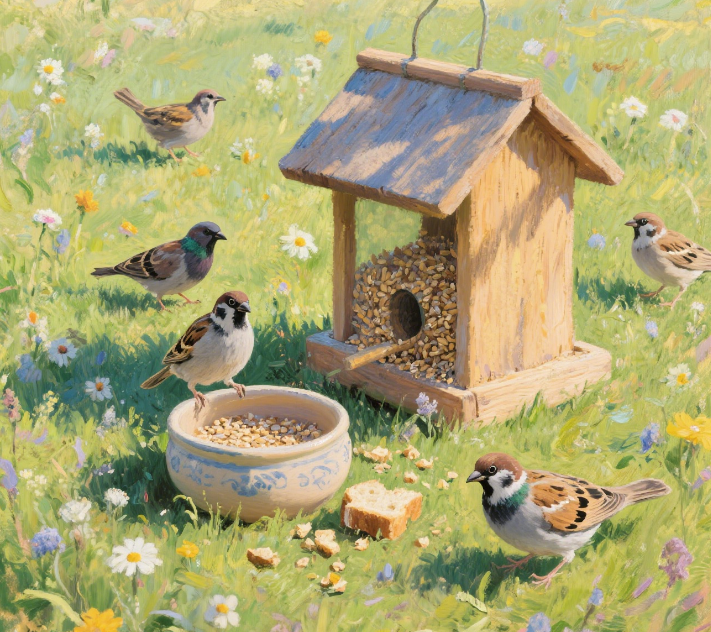
Advantages and disadvantages of bird feeders compared to ordinary bird bowls for feeding birds
Jul 10, 2025 Bird knowledge presenters