The American garden is home to a wide variety of bird species, each with its own preferences for the trees they inhabit. Below are some common bird species and their preferred habitat trees:
Northern Cardinal
Key characteristics: Approximately 21 centimeters in length, male birds are entirely red, while females are brownish-gray with a red head and a distinctive crest. They have short, thick beaks.
Preferred Tree Habitats: Prefers to nest in oak trees, hickory trees, and similar species. These trees are typically tall, providing good visibility and a safe nesting environment. Additionally, the fruits of oak trees and the nuts of hickory trees are part of the Northern Cardinal's diet.
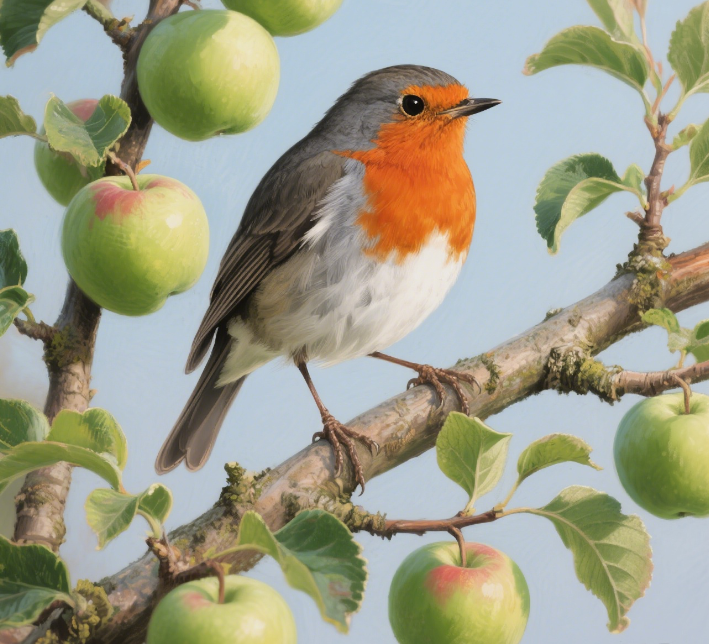
American Robin
Basic characteristics: Body length approximately 23–28 cm, with a bright orange-red chest, white abdomen, and gray or black back and head.
Preferred tree habitat: Prefers fruit trees such as apple and hawthorn, as well as broadleaf trees like poplar and willow. Apple trees and hawthorn trees provide abundant fruit for American Robins during the fruiting season, while deciduous trees like poplars and willows have sturdy branches and dense foliage, making them ideal for nesting and roosting.
Northern Mockingbird
Basic characteristics: Body length 20–33 cm, gray-brown plumage, generally brown upper body, white chest and abdomen with brown stripes or spots, short wings, and a long tail.
Preferred tree habitat: Often chooses coniferous trees such as cedars and cypresses, as well as broadleaf trees like elms and locusts. These trees have dense foliage, providing the Northern Mockingbird with concealed habitats that help it evade predators.
Blue Jay
Basic Characteristics: Body length approximately 22–30 cm, primarily blue plumage, with a crest on the head, white or gray neck and chest, and black and white stripes on the wings and tail.
Preferred Tree Species: Shows a preference for oak and beech trees. The fruits of oak and beech trees are an important food source for blue jays, and these trees typically grow in open woodlands, aligning with the blue jay's preference for open spaces.
Woodpecker
Basic characteristics: Varying in size, common species such as the downy woodpecker measure approximately 15 centimeters in length, while the great spotted woodpecker measures approximately 24 centimeters in length. Their feathers are predominantly black and white or feature red patches, and their beaks are hard and sharp, suited for pecking at trees.
Preferred Tree Habitats: They tend to choose trees infested with pests, such as poplar, willow, and birch trees, as well as pine and spruce trees. This is because the pests on these trees are the woodpecker's primary food source, and woodpeckers also excavate holes in tree trunks to use as nests.
American Screech-Owl
Basic characteristics: Small in size, with a body length of 15–17 centimeters, a wingspan of less than 250 millimeters, and a weight of 45–63 grams. In the northern part of its distribution range, the gray morph is dominant.
Preferred Tree Habitats: Primarily inhabits open mountainous coniferous forests and yellow pine forests, particularly mixed forests of oak, poplar, and other tree species, and also resides in forests mixed with Douglas-fir.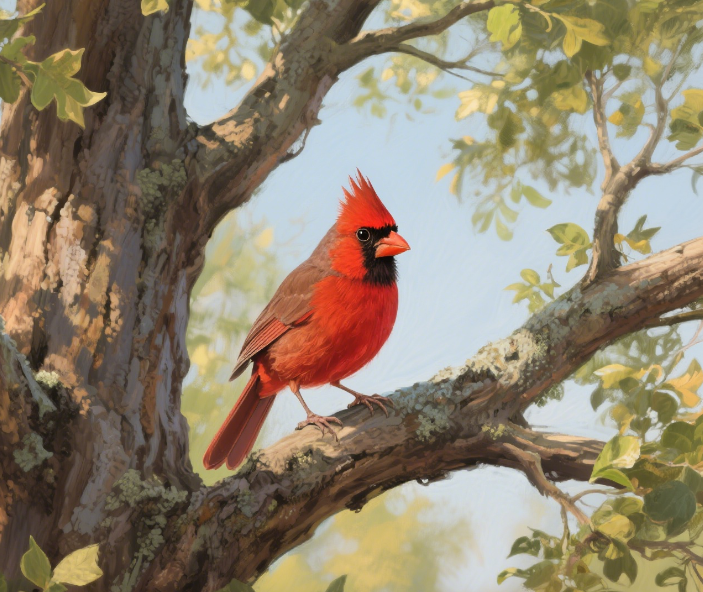
About common birds in American gardens and their preferences for habitat trees
Jul 7, 2025 Bird knowledge presenters